
The screams were swallowed by the dark. On a remote stretch of BR-251, a van full of workers met a heavy truck head-on — and in seconds, families were destroyed. Nine people, including a child, never made it home. Rescuers fought through twisted metal, rain, and dark terrain, but the real horror had be…
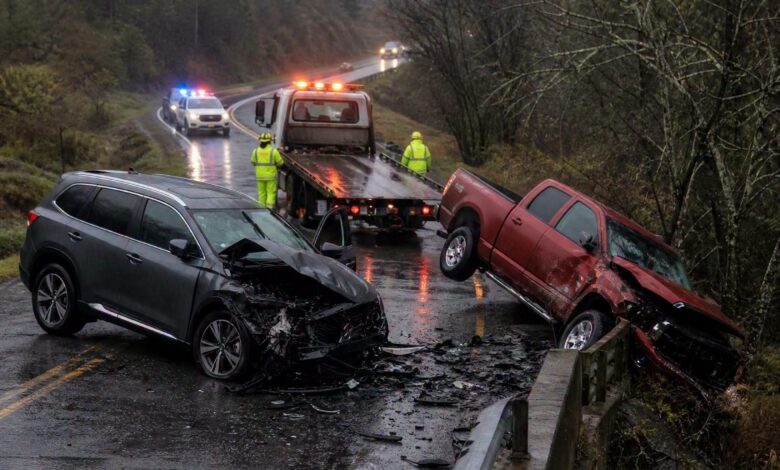
At kilometer 446 of BR-251, near the rural community of Barrocão in Grão Mogol, a van returning workers to Ceará collided head-on with an empty heavy-haul truck traveling toward Rio Grande do Sul. The impact threw both vehicles off the road into difficult terrain, turning rescue into a race against time in the dark and rain. Firefighters, SAMU, federal highway police, and forensic teams struggled to reach victims trapped in crushed metal, using hydraulic tools to free the living and recover the dead.Nine people in the van died at the scene, among them a child; eight others were injured, including another child and a man in critical condition. The truck’s two occupants survived with minor wounds. As investigators analyze tire marks, weather, and road design, this crash exposes once more the lethal combination that made BR-251 infamous as the “road of death”: heavy traffic, dangerous curves, fragile infrastructure, and political delay. Behind the statistics are families shattered forever, waiting not just for answers, but for change.
The collision on BR-251 forced rescuers to work in conditions that made every part of the operation harder. Darkness and rain reduced visibility, while the vehicles had left the roadway and come to rest in difficult terrain. Firefighters used hydraulic equipment to reach people inside the van as medical teams assessed survivors and police secured the scene.
The van was carrying workers back toward Ceará when it met the empty heavy-haul truck near kilometer 446. Nine occupants of the van died at the scene, including a child. Eight other people were injured, among them another child and a man reported in critical condition. The two people in the truck survived with minor injuries.


